











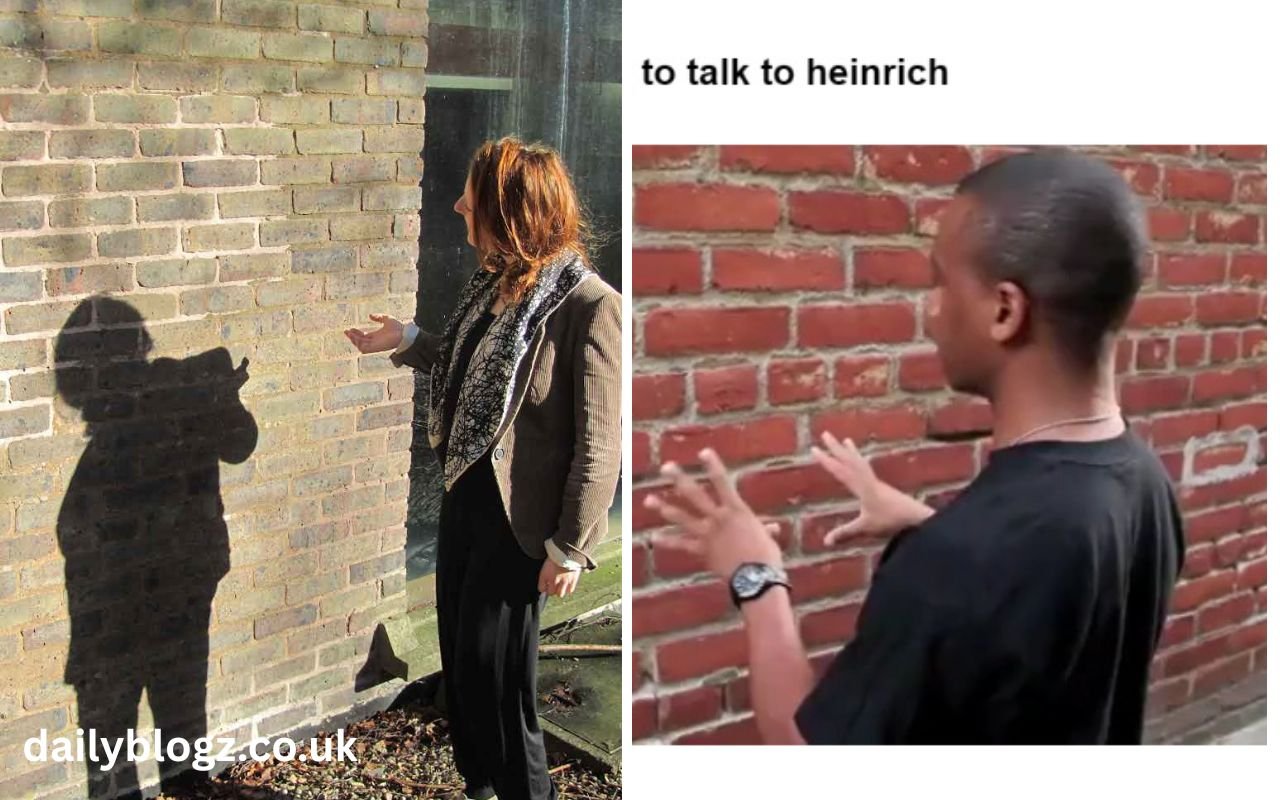
Talking to a Brick Wall: Meaning, Psychology, and How to Handle Communication Breakdowns
The phrase “talking to a brick wall” is a common idiom used to describe a frustrating communication experience. It refers to a situation where one person is trying to express thoughts, feelings, or ideas, but the other person is not listening, responding, or engaging in any meaningful way. According to language references, it essentially means communicating with someone who shows no interest or understanding, making the effort feel pointless.
In everyday conversations, this expression captures a very real emotional experience. Whether it happens in relationships, workplaces, or casual discussions, it reflects a breakdown in communication where one side feels ignored or dismissed. The imagery of a “brick wall” emphasizes the complete lack of response, as if the speaker is addressing something incapable of reacting or understanding.
The Origin and Evolution of the Phrase
The idiom “talking to a brick wall” likely developed from the human tendency to use physical metaphors to describe emotional and social situations. Walls symbolize barriers, resistance, and separation, making them a powerful image for communication failure. Over time, the phrase became widely used in English to describe conversations that go nowhere.
Although the exact historical origin is unclear, the expression has been adopted across cultures and languages with similar meanings. Many languages have their own versions of this idea, often involving speaking to an unresponsive object. Its continued popularity shows how universal the experience of ineffective communication is in human interaction.
Why People Feel Like They’re Talking to a Brick Wall
One of the main reasons people feel this way is the lack of active listening. When someone does not pay attention, avoids eye contact, or gives minimal responses, it creates a sense of disconnection. This can quickly lead to frustration, especially when the speaker is trying to communicate something important.
Another key factor is emotional unavailability. In some cases, the listener may be physically present but mentally or emotionally disengaged. This can happen due to stress, disinterest, or even deeper psychological barriers. As a result, the conversation lacks mutual understanding, making the speaker feel unheard and undervalued.
Psychological Impact of Being Ignored in Conversations
Feeling like you are talking to a brick wall can have a strong psychological impact. When communication repeatedly fails, it can lead to feelings of rejection, loneliness, and even self-doubt. People may start questioning whether their thoughts or emotions are worth expressing.
Over time, this experience can damage relationships and reduce self-confidence. In more serious cases, it may contribute to emotional withdrawal, where individuals stop trying to communicate altogether. This highlights how important responsive and empathetic communication is for mental well-being.
Common Situations Where This Phrase Applies
This phrase is often used in personal relationships, especially during conflicts. For example, when one partner tries to discuss feelings while the other avoids engagement, it can feel like talking to a brick wall. This dynamic can create tension and unresolved issues over time.
It is also common in professional settings. Employees may feel ignored by managers, or colleagues may struggle to communicate effectively in team discussions. In such environments, poor communication can lead to misunderstandings, reduced productivity, and workplace frustration.
Signs You’re Dealing with an Unresponsive Listener
There are several clear signs that indicate ineffective communication. One of the most obvious is a lack of response or acknowledgment. If someone consistently ignores what you say or gives vague replies, it suggests they are not fully engaged.
Another sign is repetitive communication without progress. If you find yourself explaining the same thing multiple times without any change in understanding or behavior, it can feel like your words are not being heard. These patterns often lead to the feeling described by the idiom.
How to Handle Conversations That Go Nowhere
When faced with this situation, it is important to reassess your communication approach. Sometimes, changing your tone, timing, or method of communication can make a difference. For example, choosing a calmer moment or using clearer language may help the other person engage more effectively.
It is also helpful to set boundaries. If someone consistently refuses to listen, it may be necessary to limit certain conversations or address the issue directly. Openly expressing how their behavior affects you can sometimes encourage more responsive communication.
Improving Communication to Avoid Frustration
Effective communication requires effort from both sides. Practicing active listening, maintaining eye contact, and showing empathy are essential skills that can prevent conversations from feeling one-sided. When both parties feel heard, the quality of interaction improves significantly.
Additionally, asking questions and encouraging dialogue can create a more engaging conversation. Instead of simply expressing your own thoughts, inviting the other person to share theirs can help build mutual understanding and reduce communication barriers.
The Role of Emotional Intelligence in Communication
Emotional intelligence plays a crucial role in avoiding situations where communication breaks down. Being aware of your own emotions, as well as those of others, helps you navigate conversations more effectively. It allows you to recognize when someone is disengaged and adjust your approach accordingly.
Developing empathy is especially important. When people feel understood, they are more likely to respond and participate in conversations. This reduces the likelihood of interactions that feel like talking to a brick wall and fosters healthier, more meaningful relationships.
Read More: Adam Sandler Outfits: A Deep Dive into His Effortless Style and the Rise of Sandlercore
Final Thoughts on Overcoming Communication Barriers
The phrase “talking to a brick wall” highlights a common yet deeply frustrating human experience. It reflects the importance of being heard and understood in any form of communication. While the situation can feel discouraging, it is not always permanent or unchangeable.
By improving communication skills, addressing issues directly, and fostering emotional awareness, it is possible to overcome these barriers. Meaningful conversations require effort, patience, and mutual respect, but they are essential for building strong connections in both personal and professional life.