







Queen Mary of Denmark: From Australian Roots to a Modern European Queen
Queen Mary of Denmark has become one of the most admired modern royals in Europe. Known for her elegance, intelligence, and humanitarian work, she represents a unique blend of tradition and modernity within the Danish monarchy. As the wife of King Frederik X, she officially became queen consort in January 2024, marking a historic moment not only for Denmark but also globally.
Born far from European royal circles, Queen Mary’s journey from Tasmania to the Danish throne is often described as a modern fairy tale. However, her story is much more than romance. It reflects resilience, cultural adaptation, and a deep commitment to public service, which has helped redefine the image of royalty in the 21st century.
Early Life and Background
Queen Mary was born Mary Elizabeth Donaldson on February 5, 1972, in Hobart, Tasmania, Australia. She grew up in a middle-class family, with her father working as a mathematics professor and her mother employed in academia. Her upbringing was grounded in education and discipline, values that later shaped her public life and royal duties.
Her childhood was not confined to Australia alone. For a short period, she lived in Houston, Texas, where her father worked at NASA. This early exposure to different cultures helped broaden her worldview. Returning to Tasmania, she completed her schooling and developed an interest in sports, outdoor activities, and academics, reflecting a well-rounded upbringing.
Mary later attended the University of Tasmania, earning degrees in commerce and law. Her education laid a strong foundation for her future career in business and communications. Long before entering royal life, she was already building a professional identity based on ambition and independence.
Career Before Royal Life
Before becoming part of the Danish royal family, Mary had a successful career in advertising and marketing. She worked with several well-known agencies in Australia and internationally, including roles in Melbourne and Sydney. Her expertise in communication and branding played a key role in shaping her professional reputation.
Her career also took her abroad, including time in Europe and the United States. She worked as an account manager and later advanced to senior roles, demonstrating leadership skills and adaptability. During this period, she experienced personal challenges, including the loss of her mother, which influenced her perspective on life and resilience.
Mary’s final professional role before entering royal life was with Microsoft Business Solutions near Copenhagen. This position marked a transition period, as she was already in a relationship with Crown Prince Frederik and preparing for a major life change.
Love Story with Crown Prince Frederik
The story of how Mary met Frederik X is widely known and often described as a real-life fairy tale. The two met during the 2000 Summer Olympics in Sydney at a casual gathering in a bar. At the time, Mary had no idea that Frederik was a prince, which added an element of authenticity to their relationship.
Their relationship developed across continents, with long-distance communication and frequent visits. Mary eventually moved to Europe, where she spent time in Paris and later Denmark, learning the Danish language and adapting to royal expectations. Her dedication to understanding Danish culture was widely appreciated.
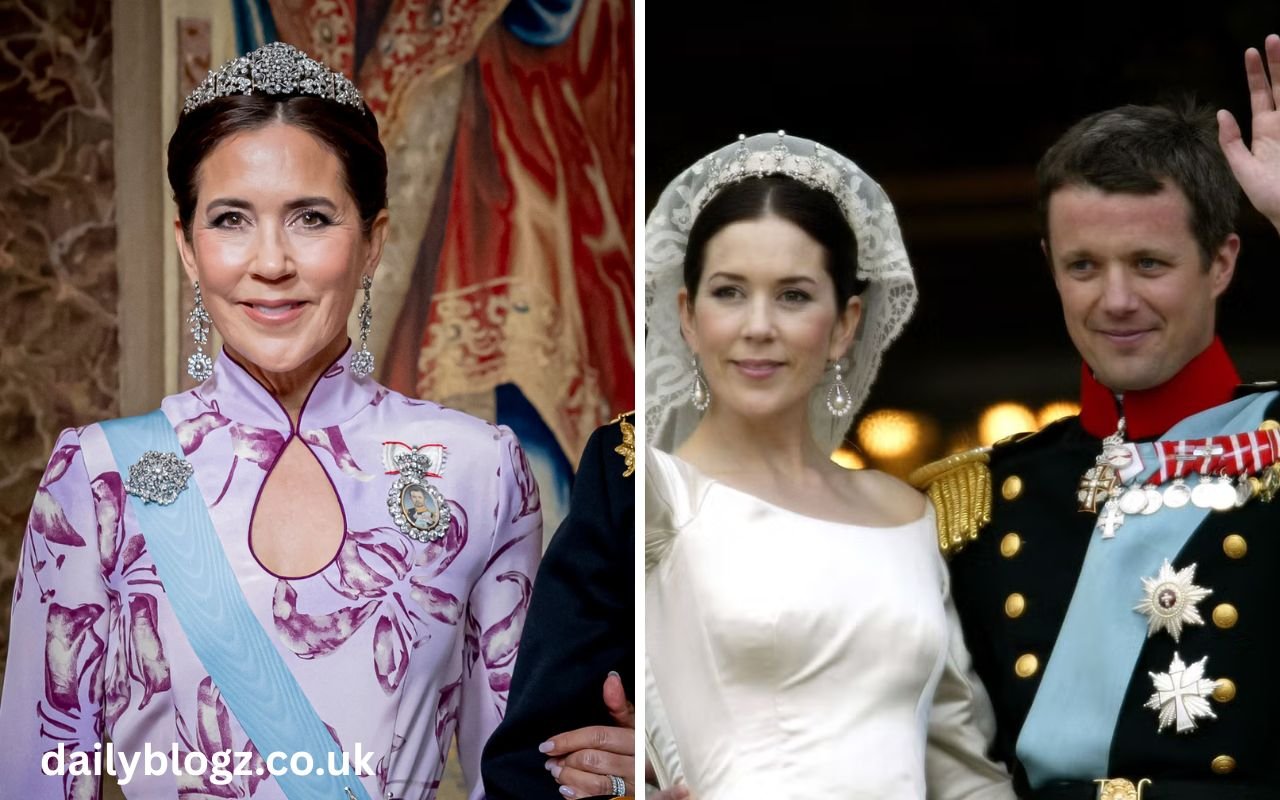
The couple married on May 14, 2004, in Copenhagen Cathedral. The wedding attracted global attention and symbolized the union of tradition and modernity. Mary transitioned from a private citizen to Crown Princess, beginning her journey within the Danish monarchy.
Transition to Danish Royal Life
Adjusting to royal life in Denmark was not without challenges. Mary had to learn a new language, understand centuries-old traditions, and adapt to intense public scrutiny. Her commitment to mastering Danish and embracing her role helped her gain respect among the Danish people.
As Crown Princess, she gradually took on more responsibilities, representing Denmark at official events and international engagements. Her natural communication skills and approachable personality made her a popular figure both domestically and abroad.
Mary also became known for her strong work ethic. Rather than relying solely on ceremonial duties, she actively engaged in social causes and initiatives. This proactive approach distinguished her as a modern royal committed to meaningful impact.
Becoming Queen of Denmark
On January 14, 2024, following the abdication of Queen Margrethe II, Mary officially became Queen of Denmark. This historic transition made her the first Australian-born queen consort in the world.
The accession of King Frederik X and Queen Mary marked a new era for the Danish monarchy. The couple appeared together on the balcony of Christiansborg Palace, greeting thousands of citizens in a moment that symbolized continuity and renewal.
Since becoming queen, Mary has taken on a more prominent role in state affairs and international diplomacy. She has participated in official visits, including tours of Nordic countries and territories like Greenland and the Faroe Islands, reinforcing Denmark’s global relationships.
Humanitarian Work and the Mary Foundation
One of Queen Mary’s most significant contributions is her dedication to social causes. In 2007, she founded the Mary Foundation, an organization focused on combating social isolation, bullying, and domestic violence. Her work has had a meaningful impact on vulnerable communities in Denmark and beyond.
She is also associated with several international organizations, including the United Nations Population Fund and the World Health Organization’s European office. Her advocacy often centers on women’s rights, maternal health, and social equality, making her a respected global figure.
Mary’s humanitarian efforts reflect a broader shift in royal responsibilities. Rather than remaining symbolic, she actively uses her platform to address real-world issues, aligning the monarchy with contemporary societal values.
Personal Life and Family
Queen Mary and King Frederik X have four children: Crown Prince Christian, Princess Isabella, and twins Prince Vincent and Princess Josephine. Their family life is often portrayed as relatively modern and relatable compared to traditional royal households.
Mary places strong emphasis on family values and parenting. Despite their royal status, the couple has made efforts to provide their children with a balanced upbringing, combining public duties with private family time. This approach has contributed to their positive public image.
In recent years, Mary has also faced personal challenges, including the loss of her father in 2026. Her public appearances during this period demonstrated resilience and composure, further strengthening public admiration for her character.
Role in Modernizing the Danish Monarchy
Queen Mary is widely credited with helping modernize the Danish monarchy. Her approachable personality, combined with her professional background, has brought a fresh perspective to royal duties. She represents a shift toward greater transparency and relatability.
Her influence extends to fashion, communication, and public engagement. Mary often uses her platform to highlight Danish culture and design while maintaining a global outlook. Her ability to connect with diverse audiences has enhanced the monarchy’s relevance in a rapidly changing world.
She also plays a key role in shaping the public image of the royal family. By balancing tradition with innovation, Mary has helped ensure that the Danish monarchy remains respected and admired both nationally and internationally.
Recent Activities and Global Influence
In recent years, Queen Mary has continued to expand her role on the global stage. She has participated in international events, academic celebrations, and diplomatic visits, reinforcing Denmark’s presence worldwide. For example, she attended the 2026 annual celebration at the Technical University of Denmark, highlighting her engagement with education and innovation.
Her 2026 state visit to Australia was particularly significant, marking a return to her homeland as queen. The visit strengthened ties between Denmark and Australia and showcased her ability to bridge cultures.
Mary’s global influence continues to grow as she balances royal duties with advocacy work. Her presence at international forums and events underscores her role as both a national figurehead and a global ambassador.
Legacy and Public Perception
Queen Mary’s legacy is still unfolding, but her impact is already evident. She is widely regarded as a symbol of modern royalty, combining elegance with substance. Her journey from Australia to the Danish throne resonates with people around the world.
Public perception of Mary remains overwhelmingly positive. She is admired for her authenticity, dedication, and ability to adapt to a vastly different cultural and social environment. Her story inspires many, particularly those who see her as proof that determination and openness can lead to extraordinary opportunities.
As she continues her role as Queen of Denmark, Mary is likely to shape the future of the monarchy for years to come. Her blend of tradition, compassion, and modern thinking ensures that she will remain a central figure in both Danish society and the global royal landscape.