







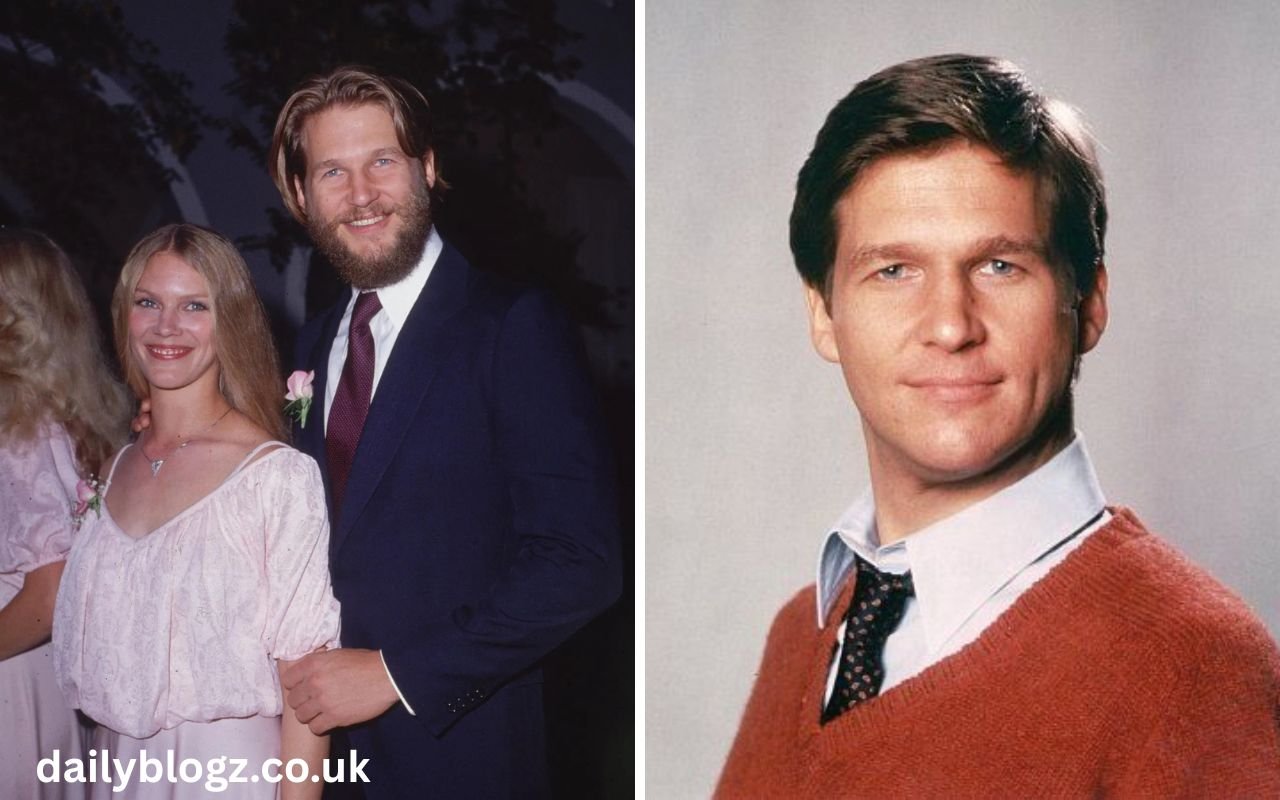
Jeff Bridges Young: Early Life, Rising Fame, and the Making of a Hollywood Legend
Early Life in Hollywood Family
Jeff Bridges was born into one of the most influential acting families in Hollywood history. His father, Lloyd Bridges, was already a well-established actor in film and television, while his mother, Dorothy Bridges, contributed creatively as a writer and performer. Growing up in Los Angeles, Jeff Bridges young life was surrounded by scripts, film sets, and artistic conversations that shaped his understanding of storytelling from the beginning.
From an early age, he experienced a lifestyle that was deeply connected to the entertainment industry. The Bridges household was not just a home but also a creative environment where acting was a natural part of everyday life. This made Jeff Bridges’ childhood unique, as he was exposed to professional acting standards long before he could fully understand them.
His older brother Beau Bridges also became an actor, which reinforced the idea that performance was a family tradition. This strong artistic foundation gave Jeff Bridges a sense of belonging in Hollywood, even before he began his own professional journey in the industry.
Childhood Exposure to Acting
Jeff Bridges’ early exposure to acting came almost naturally due to his family’s career. As a child, he often visited film sets and observed how productions were made, gaining early insight into camera work, dialogue delivery, and set dynamics. These experiences played a key role in shaping Jeff Bridges young acting instincts.
He appeared in small screen roles at a very young age, sometimes alongside his father. One of his earliest associations with television included appearances in projects connected to Lloyd Bridges’ career, which introduced him to structured acting environments. These early moments helped him become comfortable in front of the camera.
Unlike many child actors who enter the industry through auditions or external opportunities, Jeff Bridges grew into acting gradually. His childhood exposure allowed him to build confidence early, which later contributed to his effortless and natural on-screen presence as a professional actor.
Teenage Years and Education
During his teenage years, Jeff Bridges attended University High School in Los Angeles, where he balanced normal education with a growing connection to Hollywood. While school gave him structure, his life outside the classroom remained closely tied to film and creative expression. Jeff Bridges young identity was forming between two worlds—academics and entertainment.
At this stage, he also developed interests in music and personal creativity. He learned instruments like the guitar and piano, which later became long-term passions. These artistic pursuits helped him build emotional depth and rhythm, qualities that would later enhance his acting performances.
Although surrounded by fame, his teenage years were not entirely defined by Hollywood pressure. Instead, they reflected a period of exploration, where he slowly discovered his own identity beyond his family name and began shaping his individual artistic direction.
First Film Appearances as a Young Actor
Jeff Bridges’ transition into professional acting began with small but meaningful roles in film and television. As Jeff Bridges young career started to develop, he appeared in minor screen roles that gradually introduced him to the film industry on a deeper level. These early appearances helped him understand the discipline required in acting.
One of his early connections to screen work came through television projects linked to his father. These roles were not major breakthroughs, but they provided valuable experience in front of the camera. They also helped him become familiar with the technical side of filmmaking, including lighting, blocking, and scene continuity.
By the time he entered his late teens and early twenties, he was already moving toward more serious acting opportunities. These early film experiences became stepping stones that shaped his understanding of character development and professional performance standards.
Breakthrough Role in Early Career
Jeff Bridges’ major breakthrough came with The Last Picture Show in 1971, a film that significantly changed his career path. His performance earned him critical recognition and an Academy Award nomination, marking him as a serious actor rather than just a Hollywood family name. This moment defined Jeff Bridges young rise in the industry.
The role demonstrated his ability to portray emotionally complex and realistic characters. His performance stood out for its subtlety and authenticity, qualities that would later become his trademark. It was clear that he had developed a unique acting style that resonated with audiences and critics alike.
Following this success, he continued to take on strong roles in films such as Thunderbolt and Lightfoot. These performances solidified his position as a rising star in Hollywood and showed that his breakthrough was not a one-time success but the beginning of a long and respected career.
Acting Style in Youth and Natural Presence
One of the most defining aspects of Jeff Bridges young acting years was his natural screen presence. Even in early roles, he displayed a calm and effortless performance style that felt genuine and unforced. This naturalism set him apart from many young actors of his time.
His ability to embody characters without appearing overly rehearsed became one of his strongest qualities. Directors often praised his instinctive understanding of emotion and timing, which allowed him to bring depth to even simple scenes. This made his early performances memorable and impactful.
Over time, this style became a signature element of his acting identity. The foundation for his later iconic roles was already visible during his youth, showing that his talent was not developed overnight but refined through early experience and natural ability.
Influence of Lloyd Bridges and Family Legacy
Growing up as the son of Lloyd Bridges had a major influence on Jeff Bridges’ early development. His father’s success in Hollywood provided both opportunity and expectation, shaping the environment in which Jeff Bridges young career began. However, this legacy also encouraged him to build his own identity.
His relationship with his brother Beau Bridges further strengthened his connection to acting. The two shared experiences, challenges, and guidance as they navigated Hollywood together. This family support system helped him stay grounded despite early exposure to fame.
Rather than relying solely on his surname, Jeff Bridges worked to prove himself through performance. This balance between inherited opportunity and personal effort became a defining feature of his early journey in the entertainment industry.
Transition into Rising Hollywood Star
As Jeff Bridges moved beyond his teenage years, his career began to shift from early exposure to full professional recognition. Jeff Bridges young transition into adulthood marked the beginning of a steady rise in Hollywood, where he took on more demanding and complex roles.
His performances during this period showed maturity beyond his age. He was no longer just a young actor learning the craft but a serious performer capable of leading major films. This transition was gradual, built on consistency and growing critical acclaim.
By the mid-1970s, he had established himself as one of the most promising actors of his generation. His ability to balance emotional depth with natural delivery made him a standout figure in American cinema.
Lasting Impact of His Young Years
Read More: Kate Beckinsale Young: Early Life, Education, and the Rise of a British Screen Icon
The early years of Jeff Bridges continue to influence how audiences perceive his entire career. Jeff Bridges young performances laid the foundation for a lifetime of respected acting roles across multiple genres. His youth was not just an introduction but a blueprint for his artistic identity.
Many of the qualities associated with him today—authenticity, calm presence, and emotional realism—can be traced directly back to his early experiences in Hollywood. These traits were not developed later but were already visible in his formative years.
His early journey remains an important part of his legacy, showing how a combination of natural talent, family influence, and early exposure can shape one of the most respected careers in modern cinema.