





Does Elon Musk Have Autism? Truth, Facts, and Public Understanding Explained
Who is Elon Musk and why his neurodiversity is widely discussed
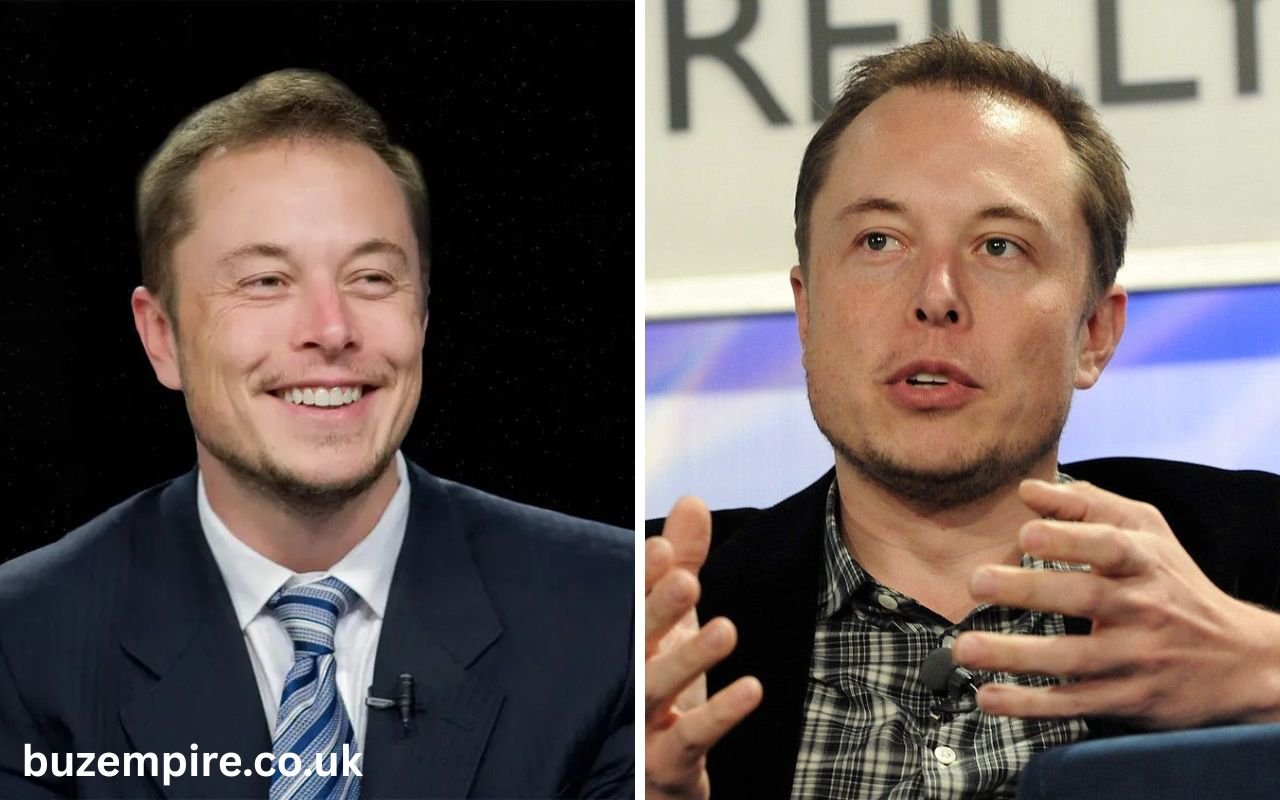
does elon musk have autism Elon Musk is one of the most influential entrepreneurs in the world, known for leading companies such as Tesla, SpaceX, and Neuralink. His public image is strongly tied to innovation, engineering thinking, and ambitious long-term goals like space exploration and artificial intelligence development. Because of this highly technical and intense professional focus, people often try to analyze his personality and cognitive style.
Over the years, Musk’s communication habits, interview behavior, and unconventional public appearances have led to widespread curiosity about whether he may be neurodivergent. Many observers point to his highly analytical thinking patterns, direct communication style, and strong focus on technical subjects as traits often associated with autism spectrum characteristics.
This curiosity has fueled search engine trends around phrases like “does Elon Musk have autism” and “Elon Musk Asperger’s traits,” making it one of the most discussed topics in relation to his personal life. However, much of this discussion blends observation, speculation, and Musk’s own public statements.
Did Elon Musk say he has autism or Asperger’s syndrome
Elon Musk has publicly stated that he has Asperger’s syndrome, which is a condition that falls under the broader category of Autism Spectrum Disorder (ASD). He made this statement during his appearance on Saturday Night Live in 2021, where he directly referred to being on the autism spectrum in a casual and humorous way.
This disclosure was widely reported and marked a major moment in public awareness of neurodiversity. Musk’s statement was not accompanied by detailed medical records, but it was clear and self-identified. Since then, he has occasionally referenced traits that align with his description, such as challenges with social interpretation and a strong preference for logical reasoning.
Because Asperger’s is now clinically grouped under autism spectrum disorder, his statement is often interpreted as him being autistic in modern diagnostic terms. This is why many SEO searches use interchangeable phrases like “Elon Musk autism” and “Elon Musk Asperger’s syndrome.”
Understanding Asperger’s syndrome in modern autism spectrum definition
Asperger’s syndrome was historically used to describe individuals who are on the autism spectrum but do not experience significant language delays or intellectual disability. In modern psychiatric classification systems, it is no longer used as a separate diagnosis and is instead included under Autism Spectrum Disorder.
This means that when someone refers to Asperger’s today, it generally corresponds to what clinicians would classify as Level 1 Autism Spectrum Disorder. Individuals in this category often have strong cognitive abilities but may experience differences in social communication, sensory processing, or behavioral flexibility.
Understanding this change is essential when interpreting public discussions about Elon Musk. Many online conversations still use outdated terminology, which can create confusion between Asperger’s and autism spectrum disorder, even though they are now medically unified.
How Elon Musk’s behavior fuels autism speculation online
Public interest in whether Elon Musk has autism is often influenced by how he behaves in interviews, public events, and social media interactions. His communication style is often direct, literal, and highly focused on technical accuracy, which some people associate with autism-related traits.
Additionally, Musk is known for intense concentration on specific interests such as engineering, rockets, artificial intelligence, and electric vehicles. This deep focus on specialized topics often leads observers to compare his thinking patterns with descriptions commonly associated with autism spectrum characteristics.
However, it is important to understand that behavioral observations alone cannot confirm a medical condition. While these traits may overlap with autism characteristics, they can also be found in highly analytical individuals who are not on the spectrum. This overlap is one reason why speculation continues online.
Public reaction to Elon Musk’s autism statement
When Elon Musk revealed that he has Asperger’s syndrome, the response from the public was immediate and widespread. Many people viewed the statement as an important moment for autism visibility, especially because it came from one of the most powerful figures in global technology and business.
For many in the autism community, the disclosure helped normalize conversations about neurodiversity in leadership roles. It reinforced the idea that individuals on the spectrum can achieve high levels of success in demanding and competitive industries such as aerospace and electric vehicle manufacturing.
At the same time, some critics argued that self-identification without detailed clinical disclosure can lead to misunderstandings. Despite these debates, the overall reaction contributed to increased awareness and global discussions about autism spectrum disorder.
Is there any medical confirmation of Elon Musk autism diagnosis
There is no publicly available medical documentation confirming a formal autism diagnosis for Elon Musk. The only confirmed source of information is his own public statement that he has Asperger’s syndrome.
In general, medical diagnoses are private and protected by confidentiality laws, meaning public figures are not required to release clinical records. As a result, the discussion around Musk’s condition is based entirely on self-disclosure rather than verified medical documentation.
This distinction is important because it separates public perception from clinical confirmation. While Musk’s statement is widely accepted as an indication of being on the autism spectrum, it remains a personal disclosure rather than an officially published medical record.
Autism spectrum traits and high achievement in technology leaders
Autism spectrum traits often include strong focus, pattern recognition, and deep interest in specific subjects. In many cases, these characteristics can align well with fields that require analytical thinking, such as engineering, programming, and physics.
In the case of Elon Musk, his work in advanced technology sectors is often discussed in relation to these traits. His ability to concentrate on long-term engineering problems and complex systems is frequently highlighted in discussions about neurodiversity and innovation.
However, it is important not to assume that success in technology automatically indicates autism. Many successful innovators do not identify as neurodivergent, and autism itself is a broad spectrum with many different experiences and levels of support needs.
Misconceptions about Elon Musk and autism in media and internet culture
Online discussions about whether Elon Musk has autism are often influenced by misconceptions and oversimplified interpretations of behavior. Social media platforms tend to reduce complex medical and psychological topics into short statements or assumptions.
One common misconception is that certain personality traits automatically indicate autism. While traits like focus or social directness may overlap with autism characteristics, they are not diagnostic indicators on their own. This leads to inaccurate conclusions in online discussions.
Another issue is the blending of humor, speculation, and fact. Because Musk is a highly visible public figure, he often becomes the subject of internet theories that are not medically grounded. This contributes to confusion in search results and public understanding.
What Elon Musk’s statement means for autism awareness globally
Read More: Is Elon Musk Autistic? A Complete, Updated and Human-Like Explanation of the Truth Behind the Claim
The public statement by Elon Musk about having Asperger’s syndrome has had a meaningful impact on global autism awareness. It has helped bring attention to neurodiversity in leadership, business, and innovation-driven industries.
For many people, his disclosure challenged stereotypes about autism and expanded public understanding of what individuals on the spectrum can achieve. It highlighted that autism does not define limitations in intelligence or career success.
At the same time, it has encouraged broader conversations about accurate representation, medical privacy, and responsible discussion of neurodevelopmental conditions in media. This makes the topic not only a search query but also an important cultural discussion in modern society.