






Is Elon Musk Autistic? A Complete, Updated and Human-Like Explanation of the Truth Behind the Claim
Is Elon Musk Autistic or Not Understanding the Core Question
The question of whether Elon Musk is autistic has become one of the most searched topics about him in recent years. This interest is not surprising, considering his global influence in technology, business, and space exploration. People often try to understand his personality, communication style, and decision-making through the lens of neurodevelopmental conditions.
The truth is that there is no publicly verified clinical diagnosis confirming autism in Elon Musk. However, confusion exists because Musk himself has publicly mentioned being on the autism spectrum. This statement has led many to associate him with autism spectrum disorder, even though no formal medical records are available for public review.
To fully understand this topic, it is important to separate public perception from medical confirmation. Autism is a complex neurodevelopmental condition, and understanding whether someone is on the spectrum requires more than observation of behavior or public statements.
Elon Musk’s Own Statement About Being on the Autism Spectrum
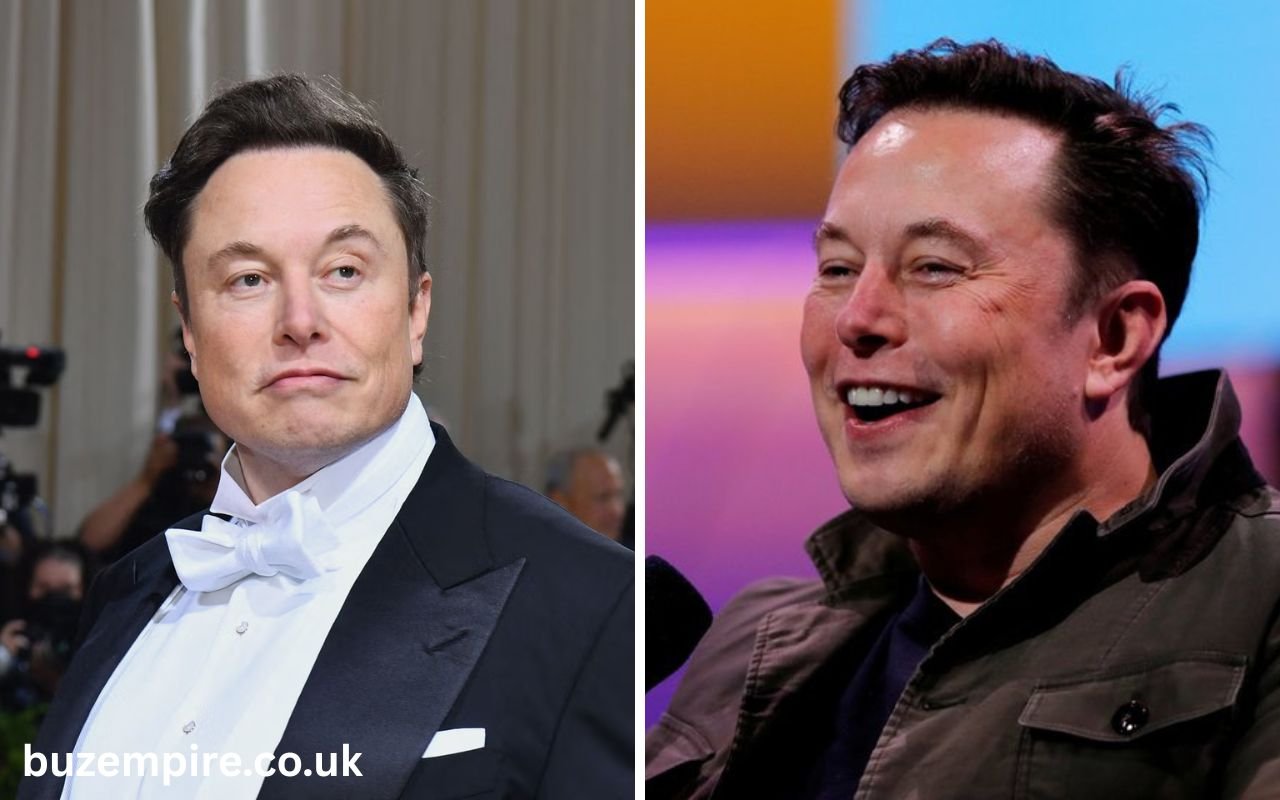
During a widely viewed television appearance in 2021, Elon Musk stated that he has Asperger’s syndrome while hosting a comedy show. This moment quickly went viral and became the main reason many people associate him with autism today. His comment was casual but significant in shaping public discussion.
Although Musk did not present a medical document or formal diagnosis during the appearance, his statement was interpreted as a personal disclosure. He mentioned that his way of thinking and communicating can sometimes be different from typical social expectations, which he connected to being on the autism spectrum.
This public admission became a turning point in how people view him. However, it is important to understand that self-identification, while meaningful, is not the same as a clinical evaluation conducted by professionals trained in diagnosing autism spectrum disorder.
What Autism Spectrum Disorder Means in Modern Psychology
Autism is now clinically defined under the term Autism Spectrum Disorder. It refers to a broad range of neurological differences that affect how individuals communicate, interact socially, and process information. The term “spectrum” reflects the wide variation in traits and abilities among individuals.
People on the autism spectrum may experience challenges in understanding social cues, maintaining conversations, or adapting to changing environments. At the same time, many individuals also show strong focus, attention to detail, and exceptional abilities in specific areas.
Modern psychology emphasizes that autism is not a single pattern but a diverse set of characteristics. This is why two individuals on the spectrum can have completely different experiences, making it difficult to generalize based on behavior alone.
Asperger’s Syndrome and Why the Term Is Still Commonly Used
The term Asperger’s syndrome was once used to describe individuals with autism who had strong verbal skills and average or above-average intelligence. It is often associated with milder traits within the autism spectrum. However, it is no longer used as a separate diagnosis in modern medical classifications.
Today, Asperger’s syndrome is included under the broader diagnosis of Autism Spectrum Disorder. Despite this change, many people still use the term in everyday language because it is widely recognized and historically significant.
When Elon Musk mentioned Asperger’s, he used a term that resonates with older diagnostic language. This has contributed to ongoing confusion, especially among audiences who are not familiar with updates in psychological classification systems.
How Elon Musk’s Communication Style Fuels Public Speculation
One reason people often ask whether Elon Musk is autistic is his distinctive communication style. He is known for being highly technical, direct, and sometimes emotionally reserved in public interactions. This style can appear different from conventional social communication patterns.
In interviews and public appearances, Musk often focuses heavily on logic, engineering concepts, and long-term thinking. Some observers interpret this as a possible indicator of neurodivergent thinking patterns. However, personality traits alone cannot confirm any neurological condition.
It is also important to recognize that communication style is influenced by many factors, including education, profession, and personal preference. In high-performance technical fields, direct and analytical communication is often common and not necessarily related to autism.
The Role of Neurodiversity in Elon Musk’s Success Story
The concept of Neurodiversity helps explain why discussions about Elon Musk and autism are so widespread. Neurodiversity emphasizes that neurological differences are natural variations rather than deficits or disorders that need to be fixed.
In this context, people often view traits associated with autism as potentially linked to strengths such as innovation, problem-solving, and deep focus. These traits are frequently associated with individuals who excel in fields like engineering, technology, and entrepreneurship.
Whether or not Elon Musk is formally diagnosed, his public image has contributed to greater awareness of neurodiversity. His case has encouraged discussions about how different thinking styles can contribute to creativity and large-scale innovation.
Media Reactions and Public Misinterpretations of His Statement
When Elon Musk mentioned being on the autism spectrum, media outlets across the world rapidly reported the statement. This led to widespread assumptions that he had been medically diagnosed, even though his comment was not presented as a formal medical declaration.
Many articles simplified the topic, sometimes using headlines that suggested confirmation rather than self-identification. This contributed to confusion among readers who may not be familiar with the difference between clinical diagnosis and personal disclosure.
Over time, repeated online discussions have reinforced the association between Musk and autism, even when the original statement was more nuanced. This shows how media interpretation can shape public understanding of complex psychological topics.
Why Autism Diagnoses Cannot Be Confirmed Through Public Behavior Alone
A major misconception in discussions about whether Elon Musk is autistic is the idea that behavior alone can confirm a diagnosis. In reality, autism diagnosis requires structured clinical assessment conducted by trained professionals using standardized criteria.
Behavioral traits such as focus, social communication style, or emotional expression can vary widely among individuals. Many of these traits may overlap with personality characteristics, cultural influences, or professional habits, making them unreliable indicators on their own.
Without access to medical evaluation data, it is not scientifically valid to confirm or deny autism based solely on public appearances. This is why discussions about public figures should be framed carefully and respectfully, focusing on awareness rather than diagnosis.
What Elon Musk’s Case Teaches About Autism Awareness Today
Read More: Ceara Coveney Movies and TV Shows: Complete Career Breakdown, Roles, and Rising Fame
The discussion surrounding whether Elon Musk is autistic has contributed significantly to global awareness of autism and neurodiversity. It has encouraged many people to learn more about how autism spectrum disorder presents in different individuals.
At the same time, it highlights the importance of accurate information when discussing neurodevelopmental conditions. Misinterpretation can easily spread when complex medical topics are simplified for public consumption.
Ultimately, the conversation around Musk demonstrates how influential public figures can shape awareness of conditions like autism spectrum disorder. It also reinforces the need for respectful understanding of neurodiversity without relying on assumptions or speculation.