










Why Did Bob Dylan Wear Sunglasses All the Time? Exploring the Mystery Behind His Iconic Look
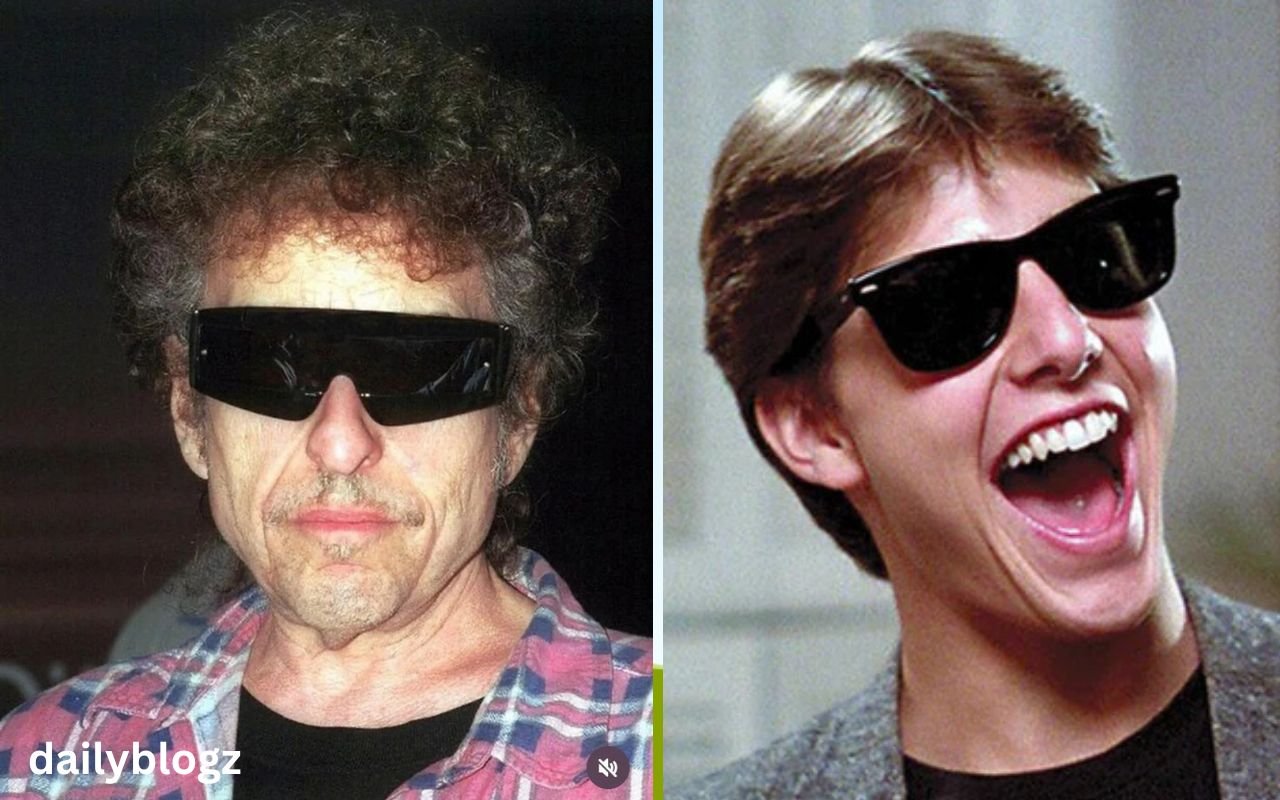
Few figures in modern music are as instantly recognizable as Bob Dylan. Beyond his groundbreaking songwriting and influence on folk and rock music, Dylan’s visual identity has always carried a strong sense of mystery. Among the most discussed aspects of his appearance is his consistent use of sunglasses. Whether on stage, in interviews, or even in candid photographs, Dylan’s eyewear became almost as famous as his music.
The questions “why did Bob Dylan wear sunglasses all the time,” “why did Bob Dylan wear sunglasses so much,” and even “why did Bob Dylan wear sunglasses at night” have intrigued fans and cultural historians for decades. The answer is not a single reason, but rather a combination of practical necessity, personal psychology, health considerations, and artistic identity.
Quick Bio Table
| Category | Details |
|---|---|
| Full Name | Robert Allen Zimmerman |
| Known As | Bob Dylan |
| Born | May 24, 1941 |
| Birthplace | Duluth, Minnesota, USA |
| Profession | Singer-songwriter, poet, musician |
| Genres | Folk, rock, blues, country |
| Active Years | 1959–present |
| Known For | Transformative songwriting, cultural influence, Nobel Prize in Literature |
| Signature Style | Sunglasses, harmonica, poetic lyrics |
The Origins of Bob Dylan’s Sunglasses Habit
Bob Dylan emerged in the early 1960s as a central figure in the American folk revival. As his fame grew rapidly, so did public attention, media pressure, and constant photography. During this period, sunglasses began to appear more frequently in his public appearances.
One of the most practical explanations is simple: stage lighting and photography conditions in the 1960s were extremely harsh. Concert lighting often used high-intensity bulbs that generated both heat and glare. Meanwhile, flash photography relied on bright bulb flashes that could be uncomfortable or even temporarily blinding. Sunglasses offered a straightforward form of protection in these environments.
Over time, what started as a practical tool became part of his consistent appearance.
Eye Comfort and Physical Sensitivity
Another important factor often discussed in biographies and interviews is eye sensitivity. Dylan has been reported to have used prescription eyewear at various points in his life. In some cases, sunglasses served a dual purpose: correcting vision while also shielding his eyes from light.
Bright environments—stage performances, television studios, and press conferences—can be overwhelming for individuals with sensitive eyes. Sunglasses helped reduce strain and allowed him to function more comfortably in public-facing situations.
This practical need is one of the strongest and most grounded explanations for why he wore sunglasses so frequently.
Privacy in the Age of Fame
As Dylan’s fame exploded, especially after his transition from acoustic folk to electric rock, he became one of the most scrutinized public figures in the world. Every facial expression, glance, and reaction was photographed and analyzed.
Sunglasses provided something rare for a global celebrity: privacy.
By covering his eyes, Dylan could:
- Avoid direct emotional exposure in interviews
- Limit the intensity of eye contact with strangers
- Maintain a sense of personal boundary in public spaces
The eyes are often considered the most expressive part of the face. By concealing them, Dylan reduced how much of himself was available to interpretation. This contributed significantly to his reputation as a mysterious and hard-to-read figure.
Psychological Distance and Emotional Protection
Beyond physical privacy, sunglasses also offered psychological distance. Fame can create an environment where a person feels constantly observed. For Dylan, who was often uncomfortable with being labeled as a spokesperson for a generation, this distance may have been especially valuable.
Sunglasses allowed him to control how much of his internal emotional state was visible. This created a protective barrier between himself and the outside world.
Some accounts suggest that over time, wearing sunglasses became habitual rather than purely intentional. Once a habit forms in high-pressure environments, it often persists even when the original need diminishes.
Building a Cultural Persona
Another major reason Dylan’s sunglasses became iconic is their role in shaping his artistic identity. From the mid-1960s onward, Dylan was not just a musician but a cultural symbol.
His transition from protest folk singer to electric rock innovator required a reinvention of image. Sunglasses helped reinforce that transformation. They contributed to a persona that felt:
- Detached yet observant
- Mysterious and introspective
- Resistant to public definition
This visual ambiguity aligned perfectly with his songwriting style, which often avoided simple answers and embraced layered meaning.
In many ways, the sunglasses became part of the “Dylan myth”—a carefully maintained sense of unpredictability.
Fashion Influence and Cultural Trendsetting
During the 1960s and 1970s, sunglasses also became a major fashion statement in music and counterculture scenes. Influential artists, actors, and writers adopted eyewear as part of their public image.
Dylan’s adoption of sunglasses aligned with this broader cultural shift. However, unlike purely fashion-driven choices, his usage felt more personal and consistent. This consistency helped cement sunglasses as part of his signature look rather than a passing trend.
Over time, fans came to associate him so strongly with sunglasses that the image became inseparable from his identity.
Why Did Bob Dylan Wear Sunglasses at Night?
One of the most debated aspects of Dylan’s eyewear habit is his occasional use of sunglasses at night or indoors. Several explanations have been proposed:
Habit Formation
In long periods of continuous wear, sunglasses become part of a person’s default appearance. Removing them may feel unusual or uncomfortable.
Vision Correction
If prescription lenses were involved, he may have kept them on indoors for practical vision support rather than removing them repeatedly.
Lighting Conditions
Indoor environments, especially stages and television studios, still involve strong lighting that can be uncomfortable.
Personal Comfort and Privacy
Even in less demanding environments, sunglasses continued to serve as a psychological barrier between Dylan and the public.
While speculation sometimes suggests dramatic explanations, the most consistent reasoning across sources points to habit, comfort, and practical use rather than any single unusual cause.
The Myth vs Reality of the Sunglasses
Over time, Dylan’s sunglasses have taken on a mythic quality. Fans often interpret them as symbolic of deeper meanings—detachment, rebellion, secrecy, or artistic complexity.
The reality is more grounded. His eyewear likely began as a practical solution to environmental discomfort and evolved into a combination of habit, identity, and privacy control.
What makes Dylan’s case unique is how a simple object became a defining element of his public persona. Few artists have transformed such a basic accessory into a cultural symbol so effectively.
Conclusion
Read More: Dixie Brubaker: Life, Background, and Public Attention Linked to Dinesh D’Souza
The question “why did Bob Dylan wear sunglasses all the time” does not have a single definitive answer. Instead, it reflects a blend of practical needs, emotional boundaries, and artistic identity. From protecting his eyes under harsh lighting to maintaining privacy during intense fame, sunglasses served multiple roles in Dylan’s life.
The reasons behind “why did Bob Dylan wear sunglasses so much” and “why did Bob Dylan wear sunglasses at night” ultimately converge on one theme: control. Control over visibility, control over comfort, and control over how the world perceived him.
Through this simple accessory, Dylan shaped one of the most enduring and mysterious images in music history.
This article is published for readers of dailyblogz.